A potential diplomatic breakthrough in the escalating Middle East conflict has sparked cautious optimism in global markets, with oil prices declining following reports of a peace initiative proposed by Donald Trump to Iran.
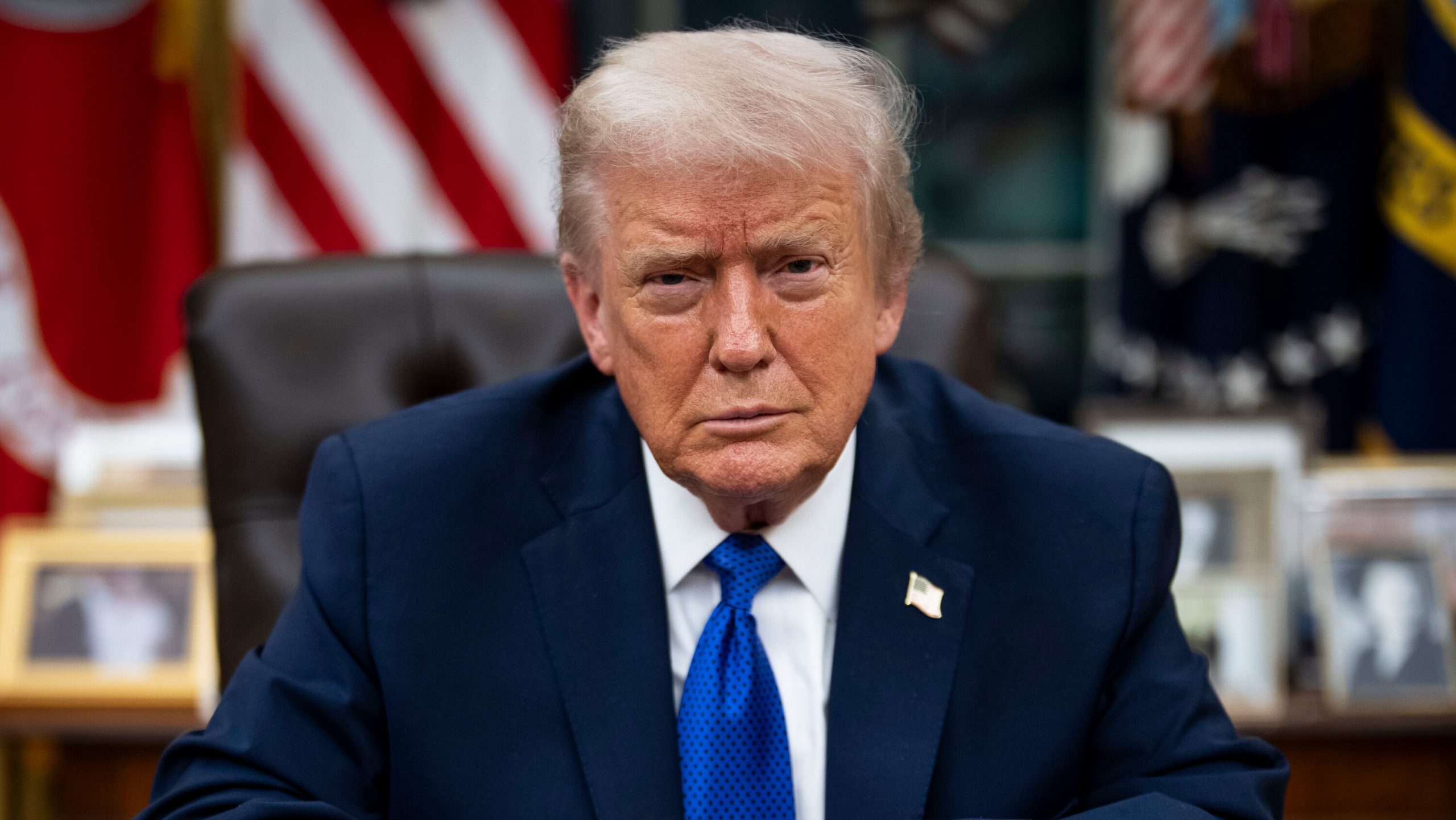
Speaking from the Oval Office, Trump revealed that a structured peace plan had been sent to Iran in an effort to de-escalate the ongoing conflict involving Israel and the United States. The announcement comes after weeks of heightened military tensions that have heavily disrupted global energy markets.
Following the announcement and indications from Iran that it may allow oil shipments to resume through the critical Strait of Hormuz, global oil prices recorded a noticeable decline. Brent crude fell by nearly 6 percent to around $98 per barrel, while West Texas Intermediate (WTI) dropped by approximately 5 percent to $87. These benchmarks had surged sharply in recent weeks due to fears of supply disruptions in one of the world’s most vital maritime transit routes.
Key Elements of the Peace Proposal
According to international media reports, the proposed plan includes several major conditions aimed at stabilizing the region:
- A one-month ceasefire to halt ongoing attacks and open formal negotiations.
- Restrictions on Iran’s nuclear programme, including specific limits on uranium enrichment.
- Gradual lifting of economic sanctions if predefined conditions are met.
- Support for peaceful nuclear development projects.
- Guaranteed safe passage for oil tankers through regional waters.
These measures are designed to reduce military escalation while restoring stability to global energy supply chains.
Despite signs of diplomatic engagement, hostilities have not fully subsided. Iran and Israel have continued to exchange strikes, raising concerns about whether the negotiations will hold. Trump stated that discussions with Iran are ongoing and expressed optimism, suggesting that recent developments indicate progress toward a resolution.
However, uncertainty remains high. Iran has not yet formally confirmed its acceptance of the proposal, and analysts warn that the situation could quickly shift if military actions intensify.
The ongoing conflict has already had significant global repercussions, including sharp increases in oil prices across international markets, disruptions to supply chains, and rising geopolitical tensions impacting economic stability. While the latest developments have brought temporary relief to markets, experts caution that sustained peace efforts will be necessary to ensure long-term stability. For now, the world watches closely as diplomatic efforts and military realities continue to unfold side by side.