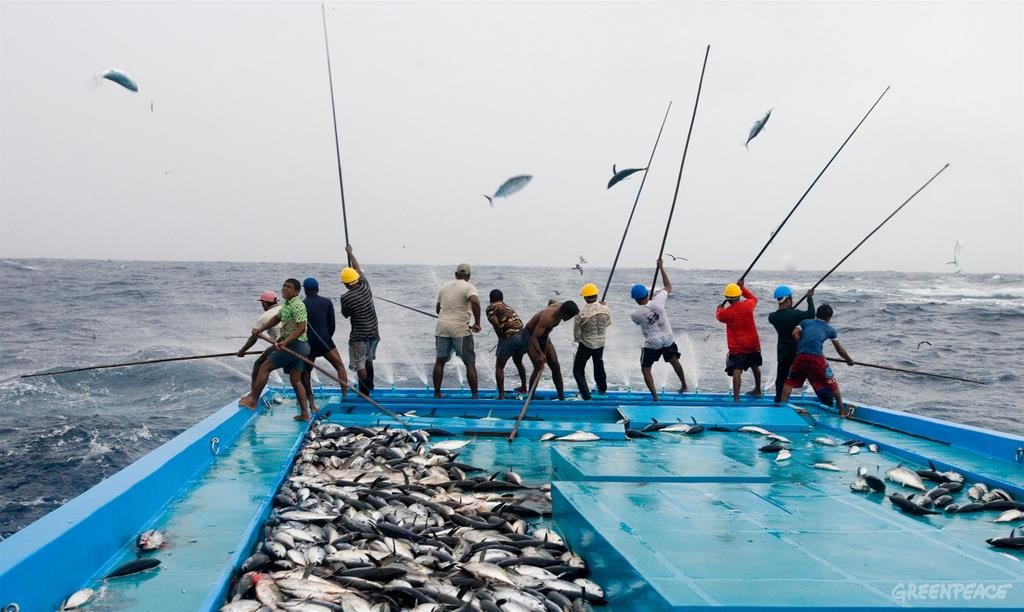
Fishing has been the cornerstone of Maldivian life, culture, and economy for centuries, shaping the identity of the island nation long before tourism emerged as the primary economic driver. The history of fishing in the Maldives is a remarkable story of resilience, adaptation, and sustainable practices that continue to influence the nation today. From the earliest days, Maldivians relied heavily on the ocean for sustenance. Tuna, in particular, has been central to the diet and livelihood of Maldivians since at least the 14th century, and traditional methods of fishing were carefully adapted to the fragile marine environment of the atolls. The pole-and-line technique, still widely practiced today, allowed fishermen to catch tuna one by one, minimizing bycatch and demonstrating a deep-rooted commitment to sustainable practices that is rare even in modern fisheries around the world.
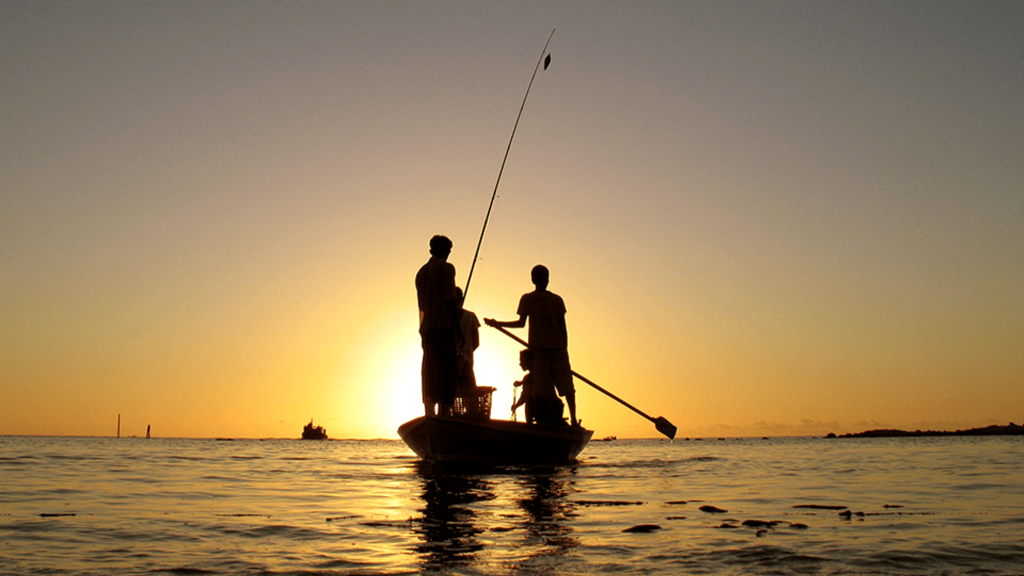
The traditional fishing vessel, known as the dhoni, is iconic in Maldivian culture. Initially small, sail-powered boats, dhonis enabled fishermen to navigate between the scattered atolls and pursue schools of tuna in the open ocean. In the 1970s, under the visionary leadership of Ahmed Hilmy Didi, the fleet underwent a transformative change as sail-powered dhonis were converted to engine-powered boats. This mechanization not only increased efficiency but also allowed fishermen to travel further and harvest larger quantities, marking a turning point in the scale of Maldivian fishing operations. These changes laid the groundwork for the eventual industrialization of the fishing sector, positioning the Maldives as a key player in the global tuna market.
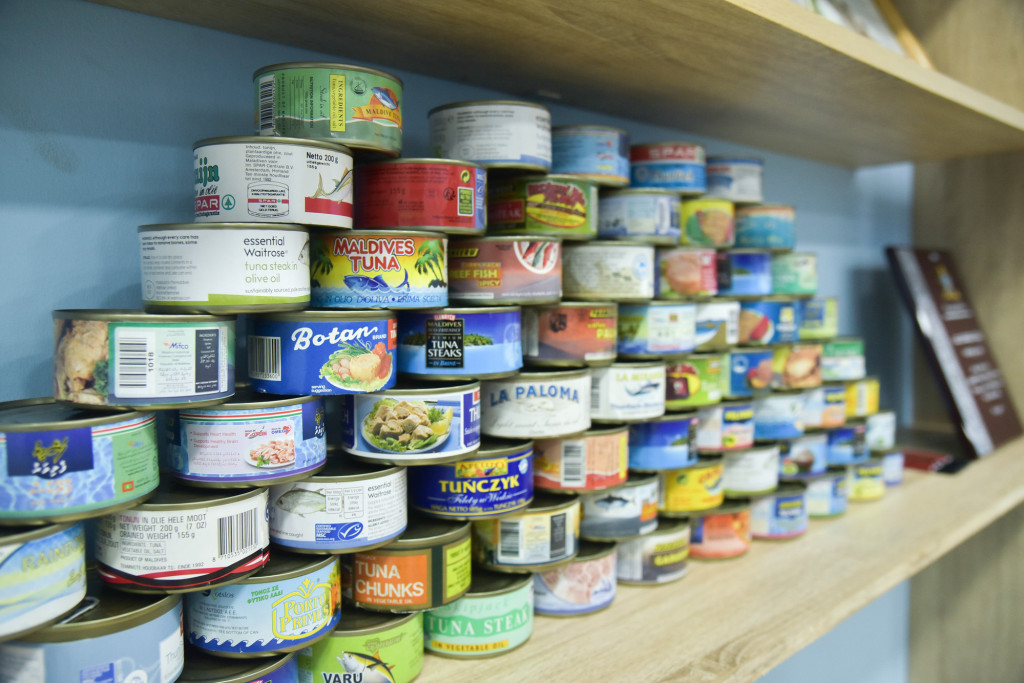
The establishment of a fish canning plant in Felivaru in 1977 marked the beginning of industrial-scale tuna processing in the Maldives. Developed in partnership with Japanese experts, the facility enabled the country to produce canned tuna, locally branded as Felivaru Masdhalhu, for export to international markets. Shortly after, in 1979, the government established the Maldives Industrial Fisheries Company (MIFCO), which became the central institution overseeing fish processing and exports. MIFCO not only expanded the scale of operations but also introduced new technologies for freezing, canning, and storing tuna, allowing Maldivian fisheries to meet the demands of a global market while simultaneously creating employment and economic opportunities for local communities.
The mechanization and industrialization of the fleet led to a rapid increase in tuna catches over the following decades. From approximately 30,000 tonnes in the 1980s, the annual catch rose steadily, reaching over 90,000 tonnes by 1997 and peaking at a record 138,751 tonnes in 2003. These developments brought significant economic benefits, making fishing the second-largest industry in the Maldives, after tourism. At the same time, fishing became a central pillar of Maldivian culture. Traditional songs, known as Raivaru, are sung by fishermen as they set sail, fostering community bonds and a profound connection to the ocean. These cultural expressions continue to be celebrated today, reinforcing the idea that fishing in the Maldives is not merely an economic activity, but a way of life.
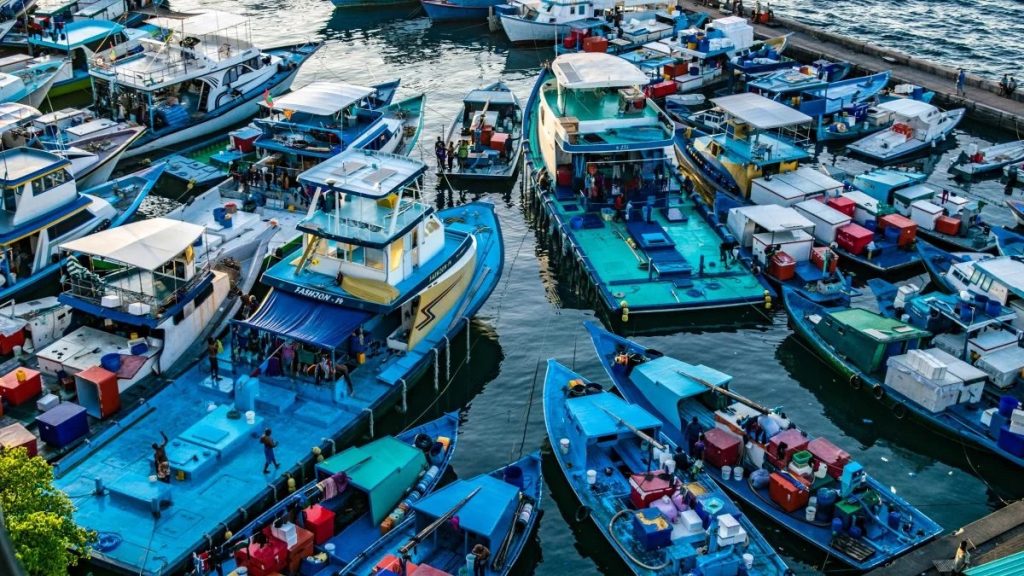
Sustainability has always been an integral part of Maldivian fishing practices. The widespread use of pole-and-line fishing, along with strict government regulations on foreign fishing activities, ensures that the industry does not overexploit marine resources. By emphasizing selective fishing methods and protecting local ecosystems, the Maldives has maintained a balance between economic development and environmental stewardship. This commitment to sustainable practices has also allowed the country to market its tuna as a premium, environmentally responsible product, further boosting its global reputation.
Economically, fishing has been vital for the Maldives. In the 2010s, fisheries contributed more than 15% of the country’s GDP and engaged nearly 30% of the workforce, second only to tourism. The fishing industry provides direct employment in catching and processing fish, as well as indirect opportunities in boat building, supply chains, and related services. Its contribution to export revenue and national food security cannot be overstated, underscoring why fishing has remained a lifeline for the Maldives even as tourism has grown exponentially.
The history of fishing in the Maldives reflects the nation’s resilience, ingenuity, and enduring connection to the sea. From simple pole-and-line methods and sail-powered dhonis to modern industrial processing and sustainable practices, the evolution of the fishing industry embodies the Maldivian spirit of adaptation and respect for nature. As the country continues to navigate economic modernization and environmental challenges, the fishing heritage of the Maldives remains a central part of its identity, culture, and prosperity, demonstrating the enduring power of the ocean in shaping the life of the islands.