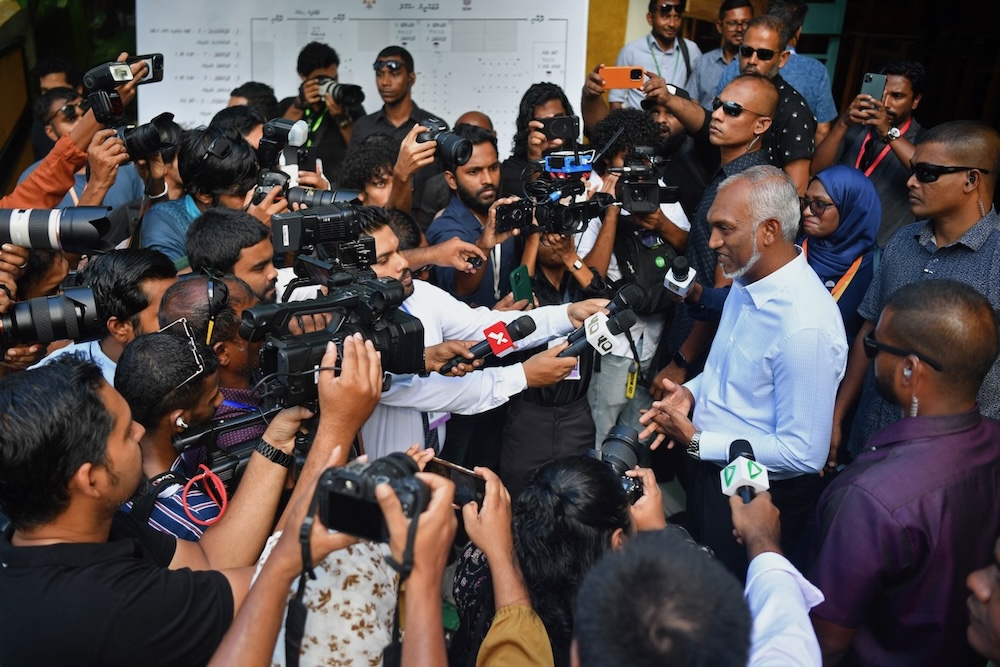
In August 2025, the Maldives parliament considered the Maldives Media and Broadcasting Regulation Bill, a proposed legislation that would grant the government broad discretionary powers to control and regulate the media. This bill has sparked widespread protests from journalists, opposition parties, and civil society groups, who argue that it poses a grave threat to press freedom and the independence of the media. Civil society organizations, including the Committee to Protect Journalists (CPJ), have called on President Mohamed Muizzu to withdraw the bill, warning that it could severely restrict independent journalism and media operations in the country.
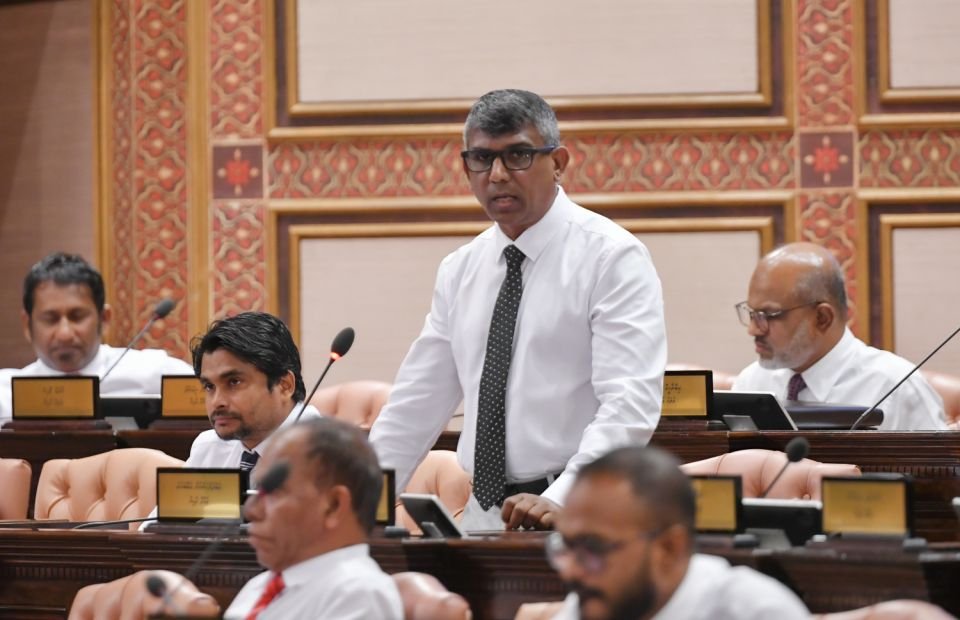
The bill, introduced by Independent Member of Parliament Abdul Hannan Abubakr, aims to replace the existing Maldives Media Council and Maldives Broadcasting Commission with a new “Maldives Media and Broadcasting Commission.” Critics argue that this new body would centralize excessive control over the country’s news and broadcasting sector, potentially allowing the government to suppress dissenting voices and limit access to independent reporting.
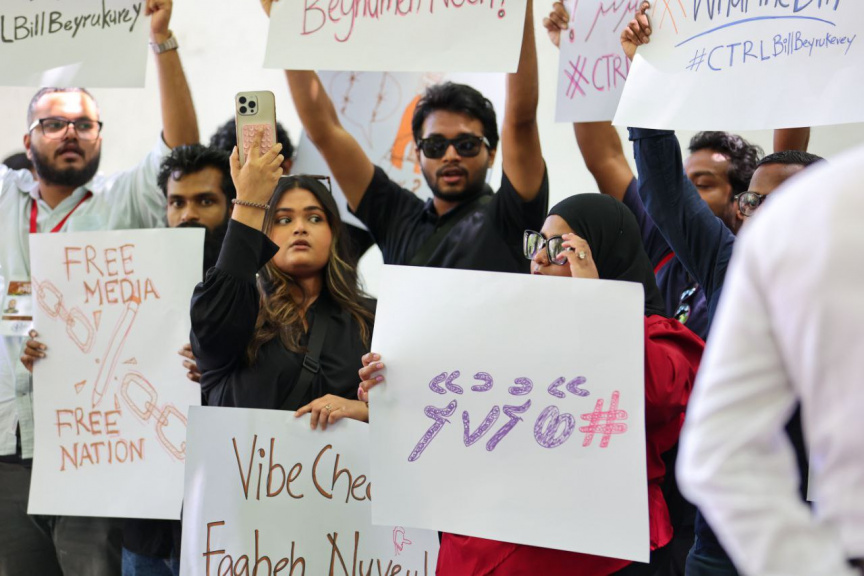
Journalists in the Maldives have organized protests to express their opposition to the bill. On August 19, members of the Maldives Journalists Association (MJA) staged demonstrations, describing the bill as a serious threat to press freedom that could criminalize journalism. The MJA highlighted concerns over vague definitions in the bill, which could be exploited to target journalists, as well as the introduction of harsh penalties for media professionals. Further demonstrations took place on August 27, outside the President’s Office, during which police forcibly removed a journalist, an action that drew condemnation from international organizations. The International Federation of Journalists (IFJ) and other global bodies have emphasized the need for an inclusive and transparent consultation process involving journalists, media unions, and outlets before any such regulation is enacted.
The CPJ, along with more than 20 other civil society groups, expressed serious concern over the bill’s potential impact on media independence. They warned that the legislation could empower a state-controlled regulator with sweeping authority to suspend media outlets, block newspaper websites, and halt broadcasts, severely undermining the freedom of information in the Maldives.
In response to the protests and criticism, Minister Asward acknowledged that there are points of contention within the bill and stated that recommendations would be made to Parliament to address these concerns. However, he did not provide specific details regarding which areas of the bill might be amended or how these changes would safeguard press freedom.
The proposed Maldives Media and Broadcasting Regulation Bill has therefore generated significant concern both locally and internationally. Journalists, civil society groups, and human rights organizations continue to advocate for its withdrawal, stressing the importance of protecting press freedom and ensuring that any media regulations are developed through a transparent and inclusive process. The ongoing debates and public demonstrations highlight the critical role of independent media in upholding democratic governance and the need to prevent undue government interference in journalistic practices.