The International Energy Agency (IEA) has warned that the world could be heading toward one of the most severe oil crises in history as tensions in the Middle East escalate due to the ongoing conflict involving Iran, Israel, and the United States.
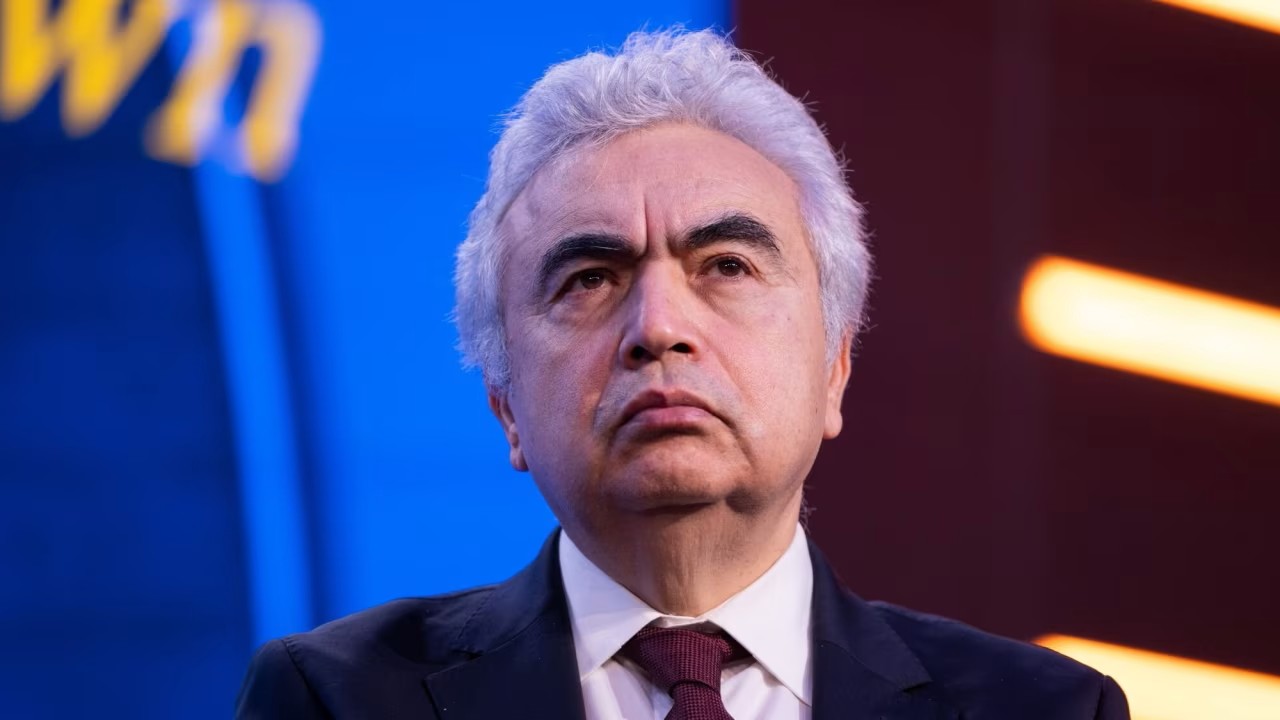
IEA Executive Director Fatih Birol stated that if the situation worsens, no country will remain unaffected. Speaking at the National Press Club of Australia, Birol stressed the urgent need for coordinated international action to prevent further escalation.
He highlighted the strategic importance of the Strait of Hormuz, a vital artery for global oil and gas shipments. Any disruption to this key passage, he warned, could significantly impact global energy supplies and drive prices to unprecedented levels. Describing the current situation as “extremely dangerous,” Birol noted that the potential impact could surpass that of the 1970s oil crisis, adding that keeping the Strait of Hormuz open remains critical to easing global energy pressures.
The geopolitical landscape remains volatile, with Donald Trump warning that the United States may respond to threats against regional stability by targeting Iran’s energy infrastructure. In response, Iran has indicated it would retaliate strongly, including potential strikes on energy facilities linked to U.S. interests in the region.
Birol explained that the current crisis is more complex than past disruptions, including those related to the Russia-Ukraine war, because the world is now facing a combined challenge of energy supply instability and broader economic uncertainty. According to the IEA, more than 40 energy-related facilities across Iran, Gulf Arab nations, and Israel have already been affected or targeted during the conflict.
To stabilize global markets, IEA member countries have agreed to release up to 400 million barrels of oil from strategic reserves. However, experts caution that this is only a temporary measure and may not fully offset the long-term impact of continued geopolitical tensions. Birol concluded by warning that the global economy faces a growing and serious threat, expressing hope that the crisis can be resolved through swift and coordinated international diplomacy.